

 By
By Introduction
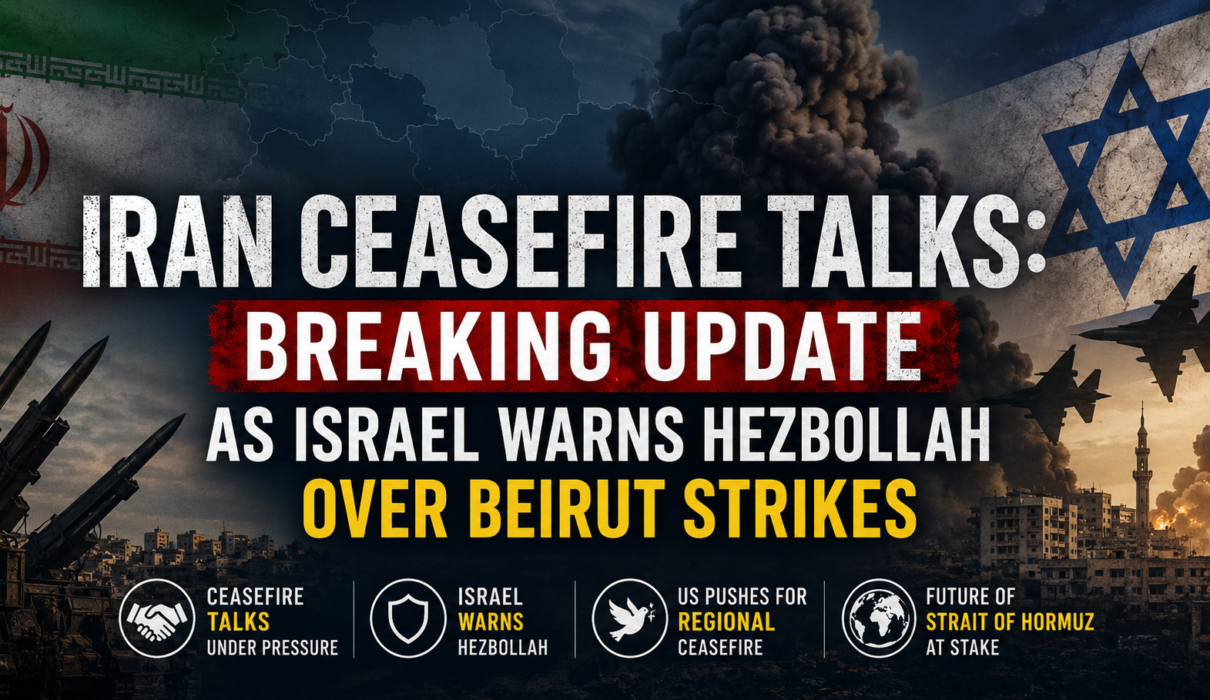
Iran ceasefire talks have entered a critical phase as military tensions between Israel and Hezbollah threaten broader diplomatic efforts across the Middle East. Israeli officials warned that if attacks continue from Hezbollah-controlled areas, Israel could target Beirut’s Shiite Dahiyeh suburbs, a stronghold of the group. At the same time, Iran ceasefire talks involving the United States continue as negotiators seek to prevent a wider regional conflict and restore stability to key energy routes.
The latest developments highlight the complex connection between Israel-Lebanon hostilities, US-Iran diplomacy, and security concerns surrounding the Strait of Hormuz. Global markets, regional governments, and international observers are closely monitoring these negotiations.
Table of Contents
- What Happened
- Key Details
- Official Statements
- Background
- Impact
- What Happens Next
- Timeline
- FAQ
- Conclusion
What Happened: Iran Ceasefire Talks Face New Test
The latest round of Iran ceasefire talks comes amid renewed tensions between Israel and Hezbollah in Lebanon.
Israeli officials stated that Beirut’s southern suburbs could become military targets if Hezbollah resumes attacks against northern Israeli communities. The warning followed discussions between US President Donald Trump and Israeli Prime Minister Benjamin Netanyahu regarding efforts to prevent further escalation.
Reports indicate that Washington encouraged restraint and sought commitments from both sides to reduce hostilities. Hezbollah has reportedly agreed to a US-backed proposal that includes a mutual halt to attacks, although the arrangement remains fragile.
Iran Ceasefire Talks and the Lebanon Connection
A major complication in Iran ceasefire talks is Tehran’s position that continued Israeli military operations in Lebanon could affect negotiations with Washington.
Iranian officials have warned that further escalation in Lebanon may force Tehran to reconsider diplomatic engagement.
Key Details: Iran Ceasefire Talks Amid Regional Escalation
Several interconnected developments are shaping current Iran ceasefire talks.
Hezbollah’s Reported Acceptance of a Truce
According to diplomatic sources, Hezbollah has accepted a US proposal for a mutual halt to attacks with Israel. Lebanese officials described the arrangement as an initial step toward a broader ceasefire.
Israel Maintains Military Pressure
Despite diplomatic efforts, Israeli forces have continued operations in southern Lebanon. Military officials argue that attacks will continue against perceived threats even while ceasefire discussions proceed.
Strait of Hormuz Remains Central
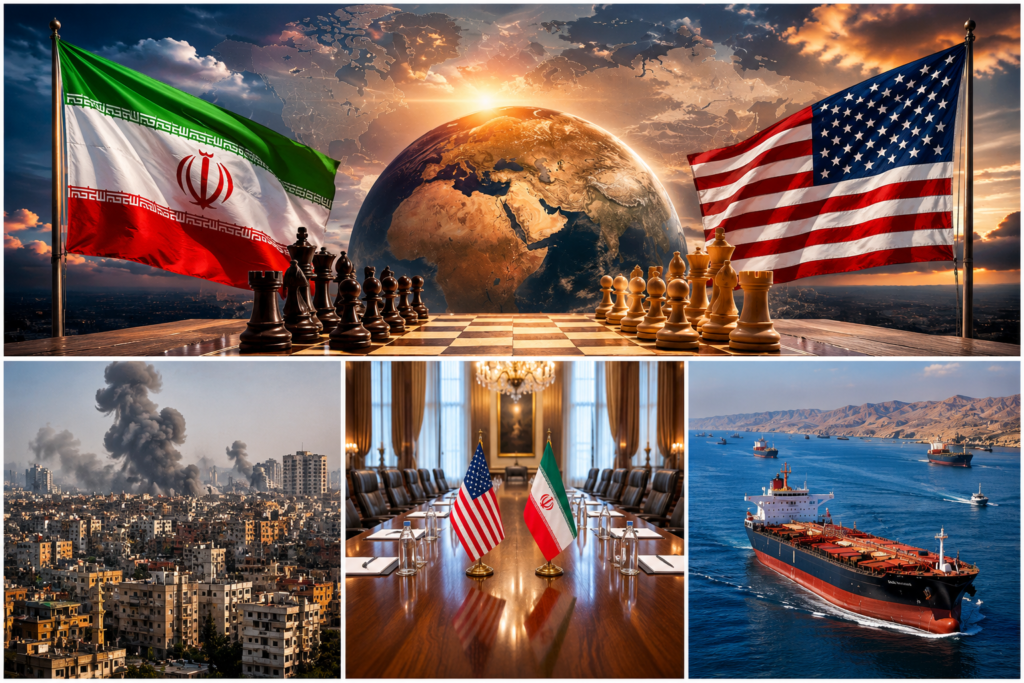
The outcome of Iran ceasefire talks could significantly affect maritime traffic through the Strait of Hormuz, one of the world’s most important energy corridors. US officials have expressed optimism that negotiations could eventually lead to a reopening of disrupted shipping routes.
Official Statements: Iran Ceasefire Talks Draw Global Attention
US Position on Iran Ceasefire Talks
President Donald Trump stated that discussions with Iran are continuing and suggested that a broader agreement could be reached in the coming days. The proposed framework reportedly includes extending ceasefire arrangements and improving regional security conditions.
Israeli Government Response
Israeli officials emphasized that security operations would continue if Hezbollah launches attacks against Israeli cities and communities. The government maintains that deterrence remains a priority despite diplomatic efforts.
Hezbollah and Lebanese Officials
Lebanese representatives have indicated support for a comprehensive ceasefire rather than a limited arrangement. Hezbollah officials reportedly back a broader agreement that addresses military operations across Lebanese territory.
Background: Why Iran Ceasefire Talks Matter
The current Iran ceasefire talks emerged after months of conflict involving Iran, the United States, Israel, and regional allies.
A ceasefire framework reached earlier in 2026 reduced direct military confrontation but failed to eliminate underlying disputes. Continued clashes in Lebanon, tensions in maritime routes, and disagreements over regional security have repeatedly threatened diplomatic progress.
Previous Challenges to Iran Ceasefire Talks
Several incidents complicated negotiations:
- Military exchanges between US and Iranian forces.
- Disruptions affecting the Strait of Hormuz.
- Israeli operations against Hezbollah positions.
- Regional concerns over escalation in Lebanon.
These issues continue to influence the direction of Iran ceasefire talks today.
Impact: How Iran Ceasefire Talks Affect the Region
The consequences of Iran ceasefire talks extend far beyond the immediate conflict zones.
Energy Markets and Global Trade
The Strait of Hormuz is a critical route for global oil shipments. Any disruption can affect fuel prices, shipping costs, and international markets. Successful Iran ceasefire talks could help stabilize energy supplies and reduce uncertainty.
Security in Lebanon and Israel
Residents in both Lebanon and northern Israel remain vulnerable to renewed fighting. A durable ceasefire could reduce displacement and improve humanitarian conditions.
International Diplomacy
The outcome of Iran ceasefire talks will likely influence future US engagement in the Middle East and broader regional security arrangements.
What Happens Next: Future of Iran Ceasefire Talks
Several developments are expected in the coming days.
Continued Diplomatic Negotiations
Negotiators are working on frameworks that could expand temporary ceasefires into more comprehensive agreements.
Monitoring Hezbollah-Israel Commitments
Observers will closely watch whether both sides adhere to reported commitments to reduce attacks. The success of Iran ceasefire talks may depend on stability in Lebanon.
Regional Security Discussions
Future discussions may include maritime security, economic relief measures, and broader de-escalation efforts throughout the region.
Timeline
| Date | Event |
|---|---|
| March 2026 | Israel-Hezbollah conflict intensifies in Lebanon |
| April 2026 | Initial ceasefire arrangements reduce direct hostilities |
| May 2026 | Tensions increase amid renewed military operations |
| June 1, 2026 | Hezbollah reportedly accepts US-backed mutual halt proposal |
| June 2, 2026 | Israel warns of possible strikes on Beirut suburbs if attacks continue |
| Ongoing | Iran ceasefire talks continue with US mediation efforts |
FAQ
What are Iran ceasefire talks?
Iran ceasefire talks are diplomatic negotiations involving Iran, the United States, and regional stakeholders aimed at reducing conflict and preventing broader military escalation in the Middle East.
Why are Iran ceasefire talks important?
Iran ceasefire talks affect regional security, energy markets, and international shipping routes, particularly through the Strait of Hormuz.
How does Lebanon affect Iran ceasefire talks?
Developments involving Hezbollah and Israel in Lebanon directly influence Iran ceasefire talks, as Tehran has linked regional stability to ongoing negotiations.
Could a ceasefire reopen the Strait of Hormuz?
Negotiators hope successful Iran ceasefire talks could contribute to improved maritime security and normal shipping operations.
Conclusion
Iran ceasefire talks remain at a decisive moment as diplomatic efforts compete with ongoing military tensions in Lebanon. Israel’s warning regarding Beirut’s southern suburbs and Hezbollah’s reported willingness to consider a broader ceasefire demonstrate both the risks and opportunities facing negotiators.
The coming days may determine whether Iran ceasefire talks evolve into a lasting regional agreement or face further setbacks from renewed conflict. For now, international attention remains focused on Washington, Tehran, Jerusalem, and Beirut as leaders attempt to prevent another escalation in an already volatile region.
Internal Link Suggestions
- Iran-US Nuclear Negotiations Latest Updates
- Strait of Hormuz Crisis and Global Oil Markets
- Israel-Hezbollah Conflict Timeline 2026