

 By
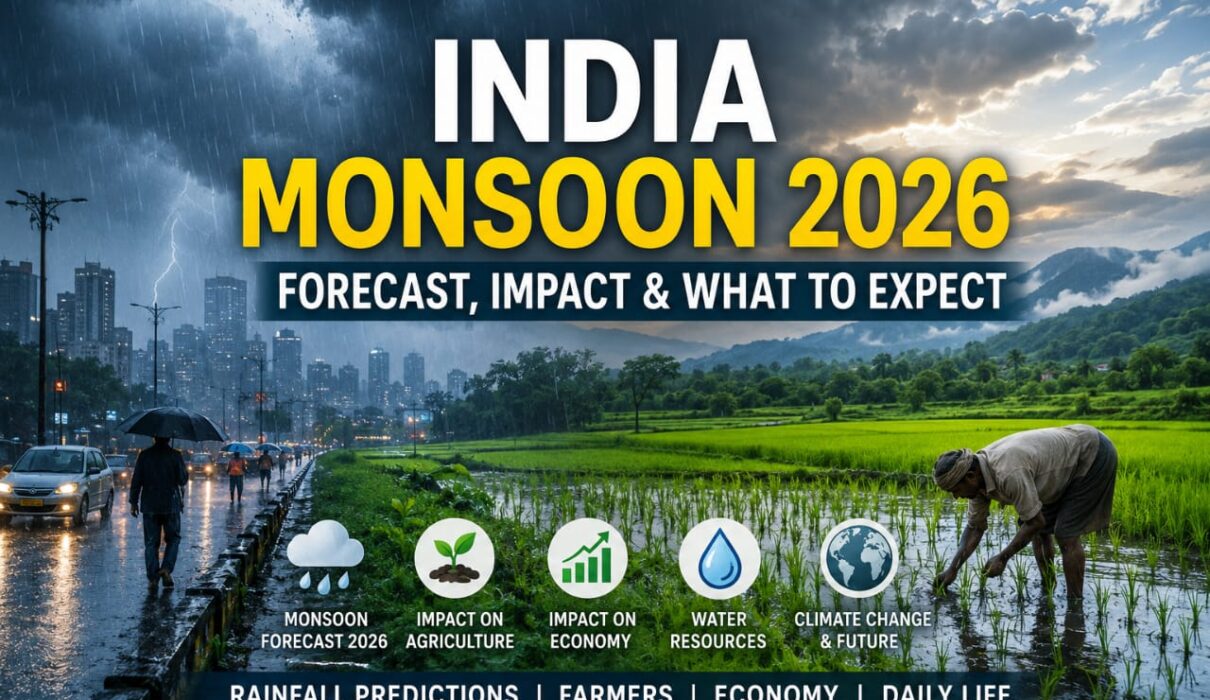
By The India Monsoon 2026 is one of the most important topics being discussed across the country. From farmers waiting for rainfall to city residents preparing for waterlogging and traffic disruptions, the monsoon season affects nearly every aspect of life in India.
The arrival of the Southwest Monsoon in India is more than just a weather event. It is a lifeline for millions of farmers, a key factor in food production, and an important driver of economic growth. Every year, experts closely monitor rainfall patterns because a good monsoon can boost agricultural output, stabilize food prices, and support overall economic development.
As India enters the monsoon season of 2026, people are eager to know what the weather holds and how it may impact agriculture, businesses, and everyday life.
Understanding the Indian Monsoon
The Indian monsoon is a seasonal wind system that brings moisture-laden winds from the Indian Ocean toward the Indian subcontinent. These winds cause widespread rainfall across the country, typically between June and September.
The monsoon contributes nearly 70% of India’s annual rainfall. This makes it crucial for:
Agriculture and farming
Drinking water supplies
Groundwater recharge
Hydroelectric power generation
Reservoir and dam levels
Economic growth
Without adequate rainfall, many regions face drought conditions, crop losses, and water shortages.
Monsoon Forecast 2026: What Experts Are Saying
Weather experts have been closely monitoring ocean temperatures, atmospheric conditions, and climate indicators to predict the performance of the India Monsoon 2026.
While rainfall distribution may vary from region to region, forecasts suggest that India is expected to receive significant monsoon activity during the season. However, changing climate patterns continue to create uncertainty regarding rainfall intensity and distribution.
Some regions may witness:
Heavy rainfall events
Localized flooding
Extended wet spells
Temporary dry periods
Increased weather variability
Meteorologists are emphasizing the importance of preparedness due to the growing influence of climate change on weather systems.
Importance of Monsoon for Indian Agriculture
Agriculture remains one of the sectors most dependent on the monsoon.
Millions of Indian farmers rely on rainfall for cultivating crops such as:
Rice
Cotton
Sugarcane
Soybean
Pulses
Maize
A successful Monsoon 2026 could lead to:
Higher Crop Production
Adequate rainfall improves soil moisture and supports healthy crop growth.
Better Rural Income
Good harvests increase farmers’ earnings and strengthen rural economies.
Stable Food Prices
When agricultural output increases, food supplies improve, helping control inflation.
Improved Water Availability
Rainwater replenishes reservoirs, lakes, and groundwater sources used for irrigation.
Challenges Farmers May Face in 2026
Although rainfall is beneficial, excessive or uneven rainfall can create serious challenges.
Flooding
Heavy rainfall can damage crops, wash away topsoil, and destroy agricultural infrastructure.
Delayed Sowing
Late arrival of rains may affect planting schedules.
Crop Diseases
Increased humidity creates favorable conditions for pests and diseases.
Climate Uncertainty
Unexpected weather changes make planning difficult for farmers.
To address these challenges, experts recommend better irrigation systems, weather-based crop planning, and modern farming techniques.
Impact of Monsoon 2026 on India’s Economy
The Indian economy has a strong connection with the monsoon season.
A healthy monsoon can positively affect multiple sectors:
Agriculture Sector
Higher agricultural production boosts rural consumption and economic activity.
Consumer Spending
Farmers with better incomes spend more on goods and services, supporting businesses.
Power Generation
Hydropower projects benefit from increased water levels in reservoirs.
Manufacturing
Improved rural demand often increases sales of consumer products, tractors, fertilizers, and agricultural equipment.
Inflation Control
Good crop production can help stabilize prices of vegetables, grains, and other food products.
Economists often view a strong monsoon as a positive indicator for economic growth.
Monsoon and Urban India
Monsoon season brings both relief and challenges to cities.
Positive Effects
Cooler temperatures
Improved air quality
Increased water storage
Better environmental conditions
Common Challenges
Waterlogging
Traffic congestion
Infrastructure damage
Flight delays
Public transport disruptions
Major cities such as Delhi, Mumbai, Bengaluru, Chennai, Hyderabad, and Kolkata often experience significant monsoon-related challenges.
Urban planners are increasingly focusing on better drainage systems and flood management infrastructure.
Climate Change and the Future of Indian Monsoons
Climate change is becoming one of the most important factors influencing rainfall patterns.
Scientists have observed:
More frequent extreme rainfall events
Longer dry spells
Unpredictable weather conditions
Increased flooding risks
The relationship between climate change and monsoon behavior remains a major area of research.
Experts believe future monsoons may become increasingly variable, requiring stronger adaptation strategies in agriculture, infrastructure, and disaster management.
Water Resources and Reservoir Levels
One of the most important benefits of the monsoon is the replenishment of water resources.
Monsoon rains help:
Fill reservoirs
Recharge groundwater
Improve river flows
Support irrigation projects
Ensure drinking water availability
States facing water stress depend heavily on seasonal rainfall to maintain adequate water supplies throughout the year.
A strong Indian Rainfall 2026 season could significantly improve water security across several regions.
Travel During Monsoon 2026
Monsoon also transforms India’s landscapes into lush green destinations.
Popular monsoon travel destinations include:
Udaipur
Munnar
Coorg
Shillong
Lonavala
Travelers should remain aware of:
Weather alerts
Road conditions
Landslide-prone areas
Flood warnings
Proper planning can ensure safe and enjoyable travel during the rainy season.
Tips to Stay Safe During Monsoon
As rainfall increases, individuals should take certain precautions:
Avoid Flooded Roads
Waterlogged streets may hide potholes and hazards.
Monitor Weather Updates
Stay informed about rainfall forecasts and warnings.
Protect Electronic Devices
Use waterproof covers and avoid exposure to heavy rain.
Maintain Hygiene
Monsoon conditions can increase the risk of waterborne diseases.
Drive Carefully
Reduced visibility and slippery roads require extra caution.
Opportunities Created by a Good Monsoon
A favorable Monsoon Forecast 2026 could create several opportunities:
Strong agricultural growth
Increased rural employment
Better food security
Improved water availability
Higher hydroelectric power generation
Economic stability
Businesses related to agriculture, fertilizers, irrigation equipment, seeds, and rural retail often benefit from a healthy monsoon season.
Conclusion
The India Monsoon 2026 is expected to play a critical role in shaping the country’s agricultural performance, economic growth, water resources, and daily life. While the monsoon brings immense benefits through rainfall and water replenishment, it also presents challenges such as flooding, infrastructure stress, and weather-related disruptions.
For farmers, policymakers, businesses, and ordinary citizens, understanding the evolving monsoon pattern is essential. As climate change continues to influence weather systems, preparedness and adaptation will become increasingly important.
Whether it is supporting agriculture, replenishing reservoirs, or providing relief from summer heat, the Southwest Monsoon India 2026 remains one of the most significant natural events for the nation. The coming months will determine how effectively India can harness the benefits of rainfall while managing the challenges that accompany it.